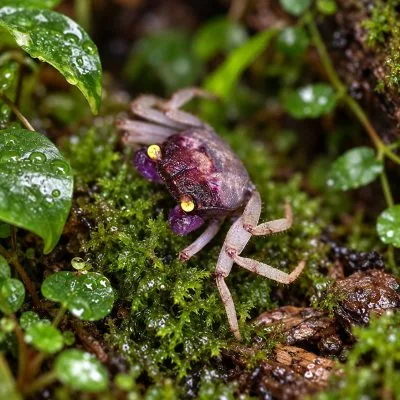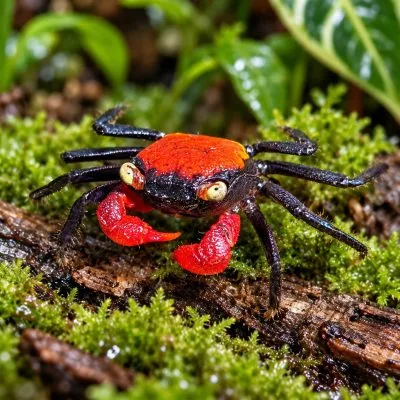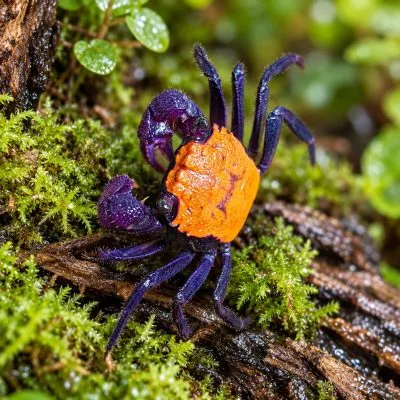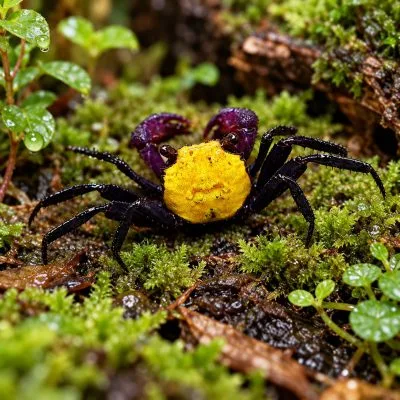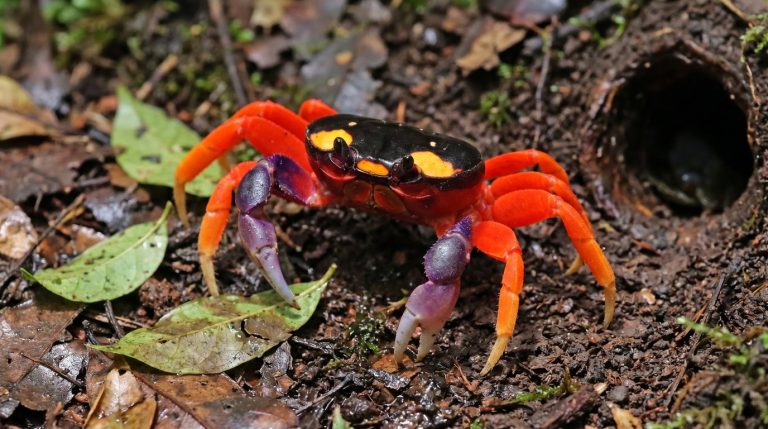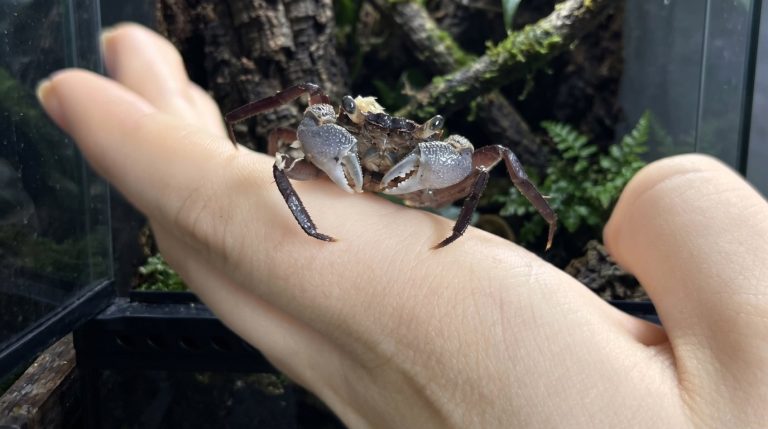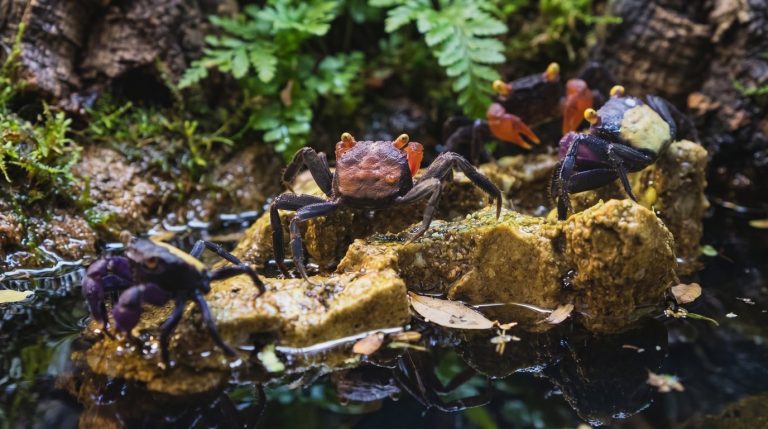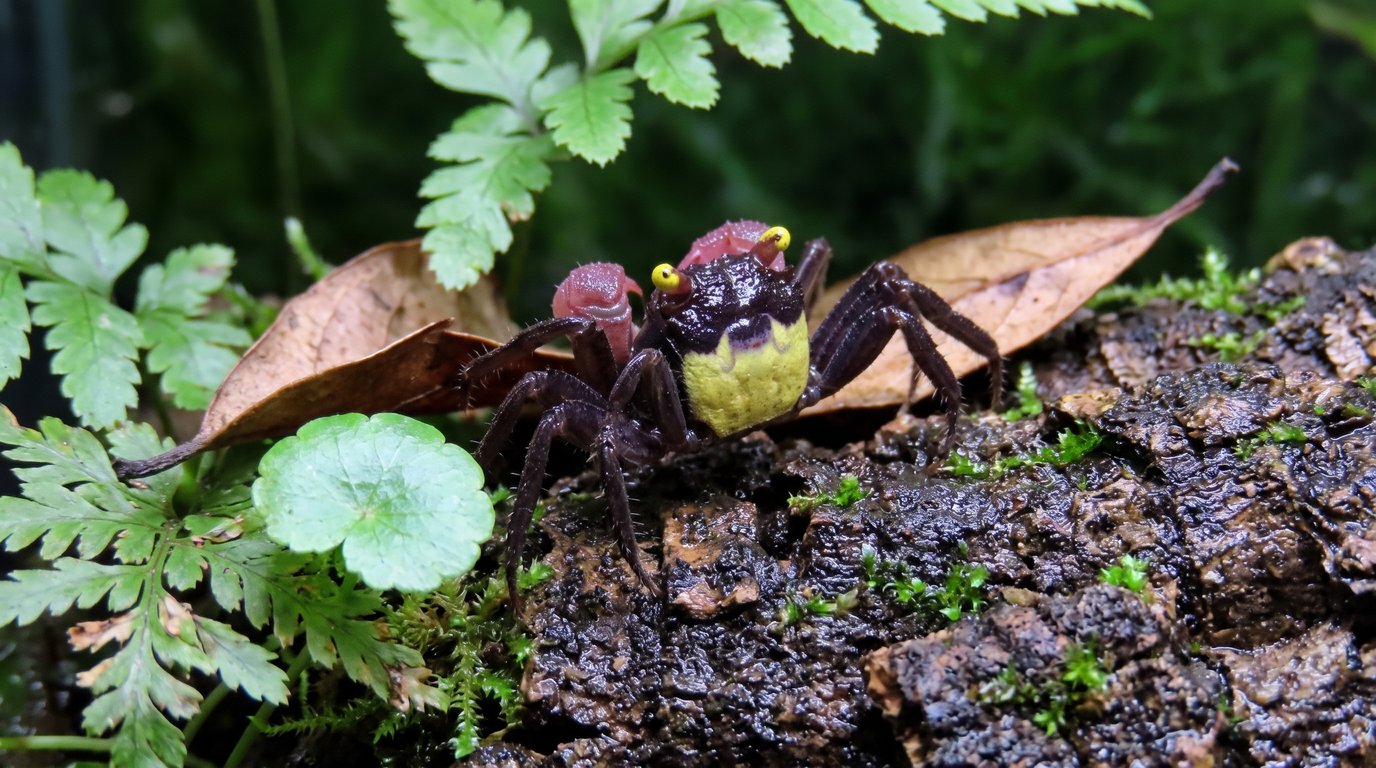
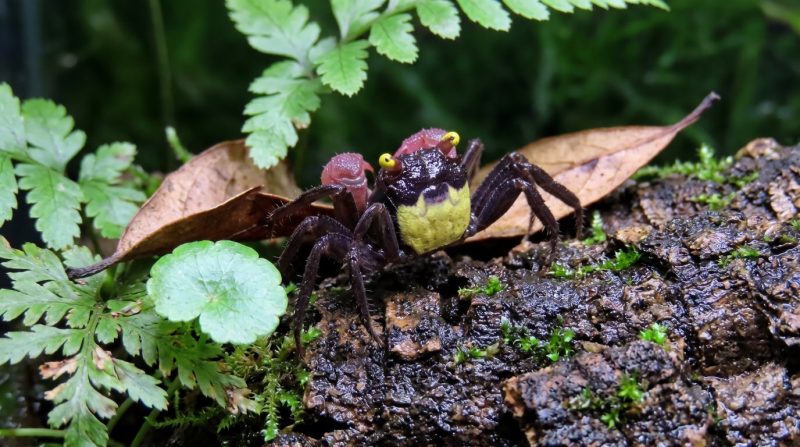
No. A vampire crab isn’t venomous, and it isn’t one of the crabs known to be poisonous either. The only crustaceans ever shown to carry venom are blind cave animals called remipedes, and the toxic crabs in poisoning reports are reef crabs from the sea. The worst a vampire crab can do to you is try to pinch, and its claws are too small to pinch a person’s hand. The precaution that does matter is a plain one: wash your hands after you work in the tank.
Why a vampire crab has no venom to worry about
A vampire crab isn’t venomous, because venom has never been found in a crab. When researchers proved in 2013 that remipedes, small blind crustaceans from flooded caves, inject venom into their prey, it was the first conclusive case of a venomous crustacean.1 Remipedes deliver it through ducts that end in the tips of a pair of mouthparts.1 A vampire crab is a true crab, a different and far more familiar kind of crustacean, and nothing like that has been found in crabs.
So where does the scary name come from? It comes from the pet trade, not from anything the crab does. Even the scientists who described two of the hobby species in 2015 put “vampire crabs” in quotation marks in their title. In the wild those crabs live by hillstreams and eat small insects, not blood.2 In your tank they eat the same kind of thing, and the list of what vampire crabs eat runs from dried insects to fish food.
Are vampire crabs poisonous to touch or eat?
No, vampire crabs aren’t among the poisonous crabs. The crabs that cause poisonings are xanthid crabs, a family of marine crabs found on coral reefs and rocky shores in the tropics.3 They don’t make their toxins themselves. They pick them up from their food and surroundings, and the toxins stay strong after cooking, which is how people who eat them by mistake get sick.3
A vampire crab lives in a very different place. It’s a land and freshwater crab from forest streams, eating insects and plant debris, far from the reef food chain that loads a xanthid crab with toxins.2 There’s no report of a toxin in any vampire crab. The poison question about reef crabs doesn’t carry over to a crab from a forest stream. We still wouldn’t eat one, but touching a vampire crab isn’t the risk people fear. Most of vampire crab care is getting the lid, humidity and water section right, and none of it involves anything more dangerous than a spray bottle.
Does a vampire crab pinch hurt?
A vampire crab pinch doesn’t hurt, because the claws are too small to get a grip on your hand. Adults are tiny: in the two hobby species described in 2015, the shell measured about 11-14.5 mm across, under 0.6 inch.2 The claws on a crab that size are a fraction of that.
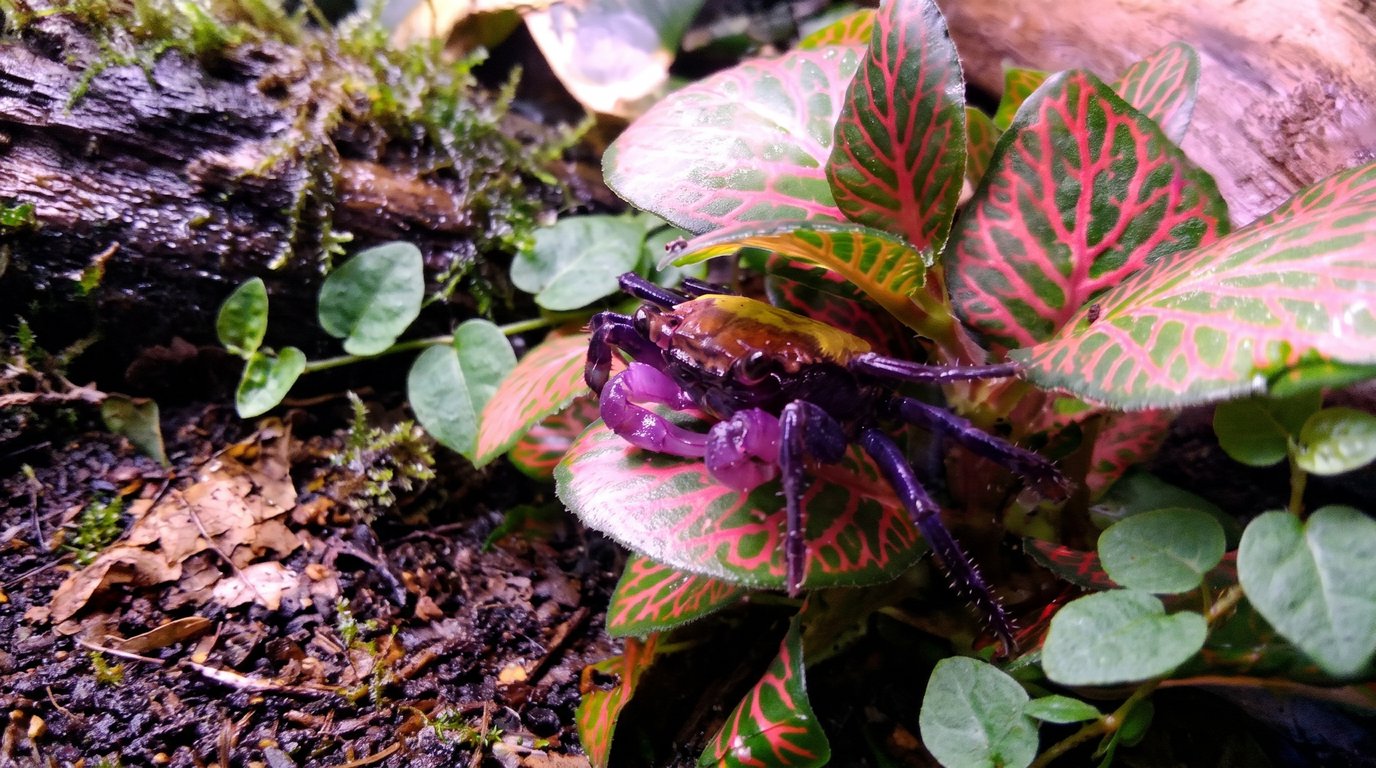
The claws on our vampire crabs are too small to pinch a person’s hand.
Don’t take this answer to any larger crabs you keep. Claw size is the whole reason a vampire crab can’t hurt you, and a bigger crab has bigger claws.
Wash your hands after working in a vampire crab tank
The real health precaution with a vampire crab tank is the same as with any aquarium. Wash your hands with soap and water after you feed the crabs, touch the water or handle anything from the tank. CDC’s advice for home fish tanks puts hand washing first. The tank, its equipment and its water can carry germs that make people sick, among them Salmonella and the bacteria behind fish tank granuloma.4 We’d follow the same advice for the water section and wet moss of a crab tank.
- Wash your hands after feeding, misting or topping up the water.
- Wear gloves for a big clean, especially if you have a cut or scrape on your hands.4
- If you get a cut while working in the tank, wash it with soap and water right away.4
- Don’t rinse tank equipment in the kitchen sink where you prepare food.
Children under 5, adults 65 or older and people with a weakened immune system are more likely to get seriously ill from those germs. CDC also says children under 5 shouldn’t clean or handle aquarium items.4 That’s about tank water, not about the crab itself.
Move a vampire crab with a cup or an open hand
When you need to move a vampire crab, coax it into a cup or small container and carry that. Handling is a bigger risk to the crab than to you. Crabs can shed a leg at a fixed breaking point near the body when they’re attacked or injured, and the leg only grows back over later molts.5 A crab that drops a leg in your fingers will spend the next molts regrowing it, as described in vampire crab molting.
The other risk is losing the crab. A small crab that slips out of a hand can be under a cabinet before you’ve seen where it went. They’re good climbers, too, which is why vampire crabs escape from an open-top enclosure so easily. Do any moving over the open tank, with the lid within reach, and put the cup down inside the tank before you tip the crab out.
- Hold a small cup or deli container on the ground in front of the crab.
- Guide the crab toward it from behind with a soft brush or a second cup.
- Once it’s in, cover the cup with your hand or a lid.
- Lower the cup into the new spot and let the crab walk out on its own.
You can hold vampire crabs on a flat, open hand too, as long as your hand stays low over the land section and your fingers never close on the crab.
Is a vampire crab a good pet for a home with children?
A vampire crab is a good pet for a family that’s happy to watch it and not hold it. The crab itself isn’t the hazard: it has no venom and claws too small to pinch a hand. Keep small hands out of the tank water. The care that keeps the crab healthy, a closed lid and as little handling as possible, does that for you.
Set expectations, though. Vampire crabs spend the day hidden in burrows, caves and dense plants, and days can pass without anyone seeing one. They come out mostly in the evening and at night, because vampire crabs are nocturnal.
If that suits your household, you choose Male or Female for each crab on the product page when you buy tank-bred vampire crabs. Everything in our catalog is bred or propagated in our own tanks rather than collected from the wild.
References
5 Sources
- The First Venomous Crustacean Revealed by Transcriptomics and Functional Morphology: Remipede Venom Glands Express a Unique Toxin Cocktail Dominated by Enzymes and a Neurotoxin, von Reumont B.M. and others, Molecular Biology and Evolution 31(1): 48-58, 2014 (online October 2013).
- New species of “vampire crabs” (Geosesarma De Man, 1892) from central Java, Indonesia, and the identity of Sesarma (Geosesarma) nodulifera De Man, 1892, Ng P.K.L., Schubart C.D. and Lukhaup C., Raffles Bulletin of Zoology 63: 3-13, 2015.
- Toxin Accumulation, Distribution, and Sources of Toxic Xanthid Crabs, Zhang Y. and others, Toxins 17(5): 228, May 2025.
- Fish: Healthy Pets, Healthy People, Centers for Disease Control and Prevention, April 2024.
- Evidence of Cheliped Autotomy and Regeneration in the Lower Miocene Crab Achelous monspeliensis From Portugal, Neto de Carvalho C. and others, Ecology and Evolution 16(7): e73799, July 2026 (background section on living crabs).
Ready to get started?
Shop our Vampire Crab collection
8 products available · Live Arrival Guarantee