
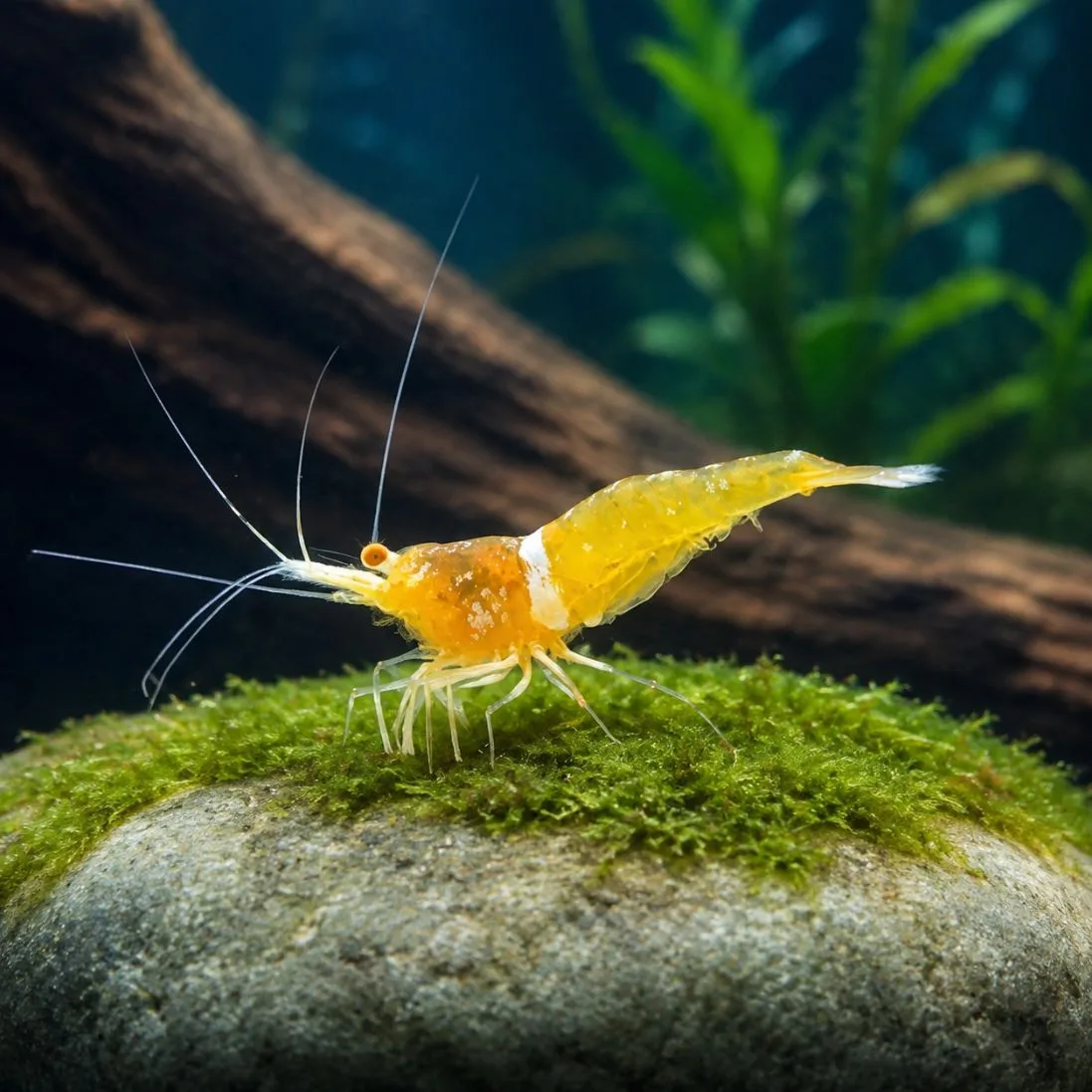
The Sulawesi Orange Eyes Yellow Ghost is a selected color line of Caridina dennerli, the shrimp endemic to Lake Matano in South Sulawesi. It is a warm-water, alkaline specialist for a keeper who already runs a mature tank.
What arrives when you order Orange Eyes Yellow Ghost shrimp
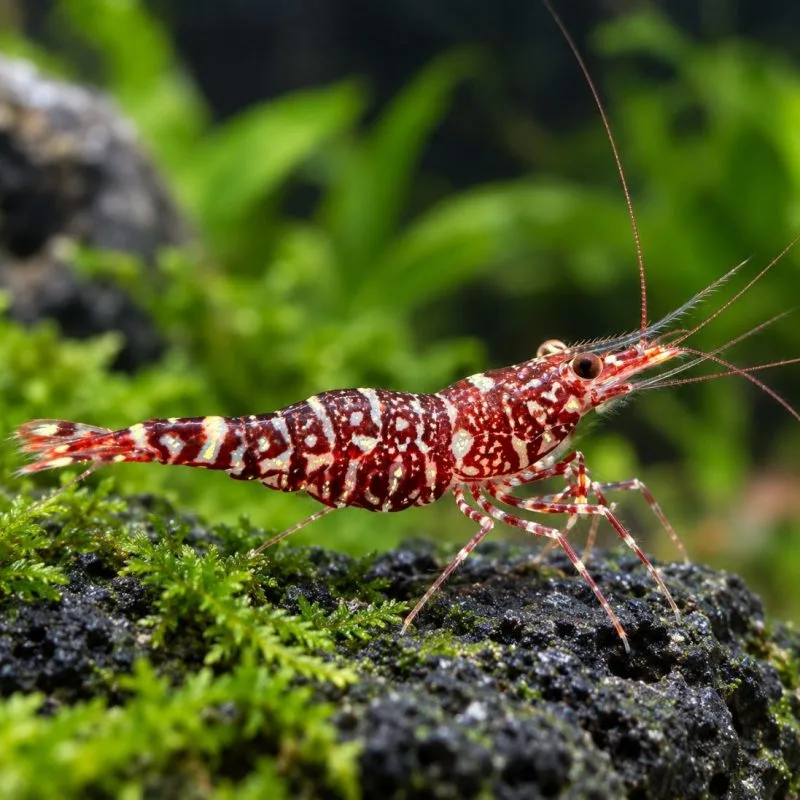
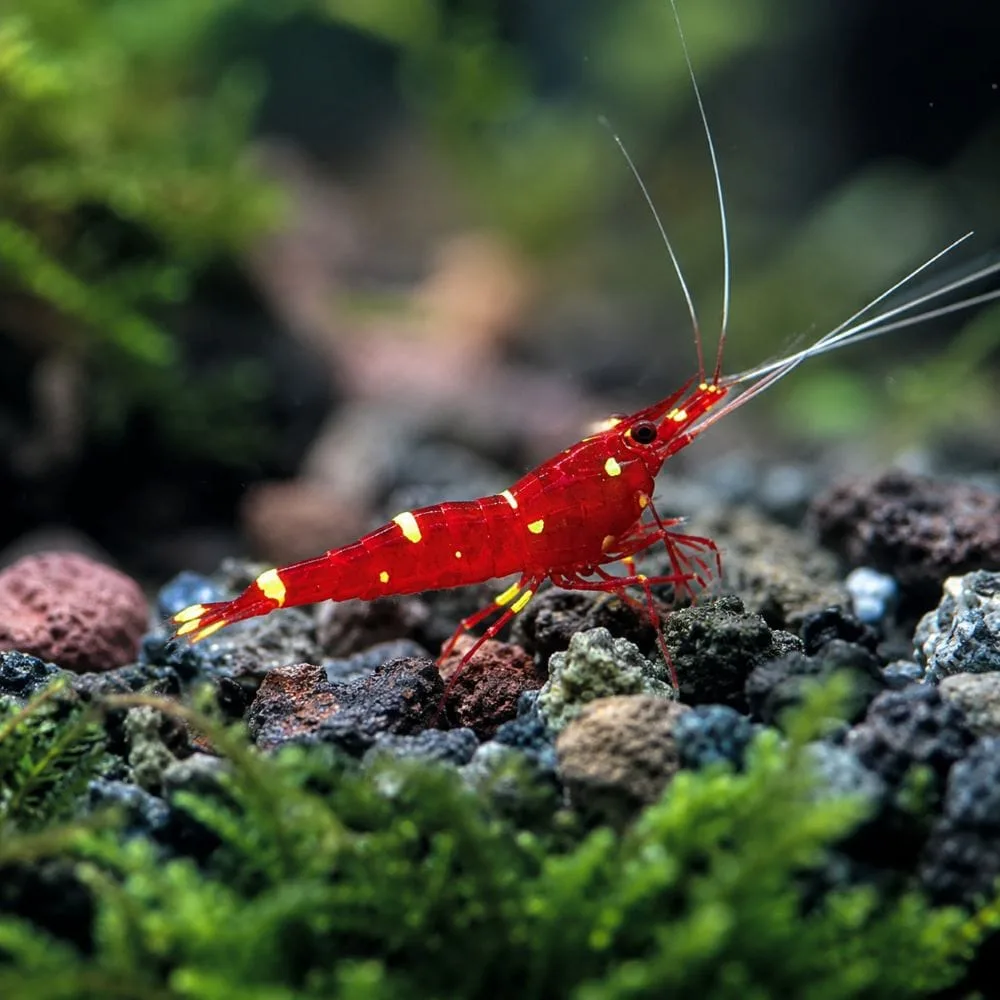
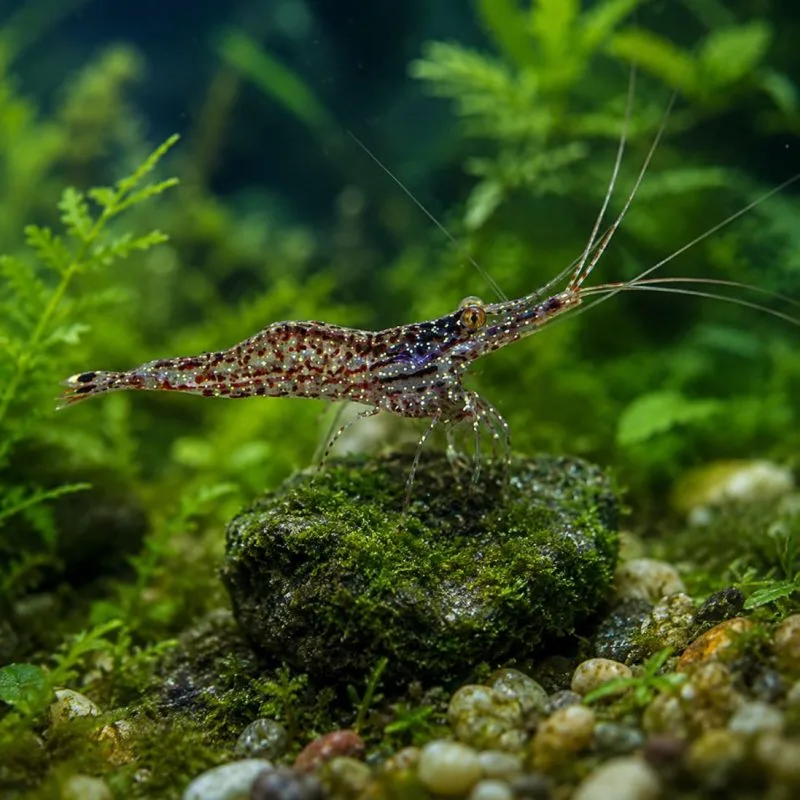
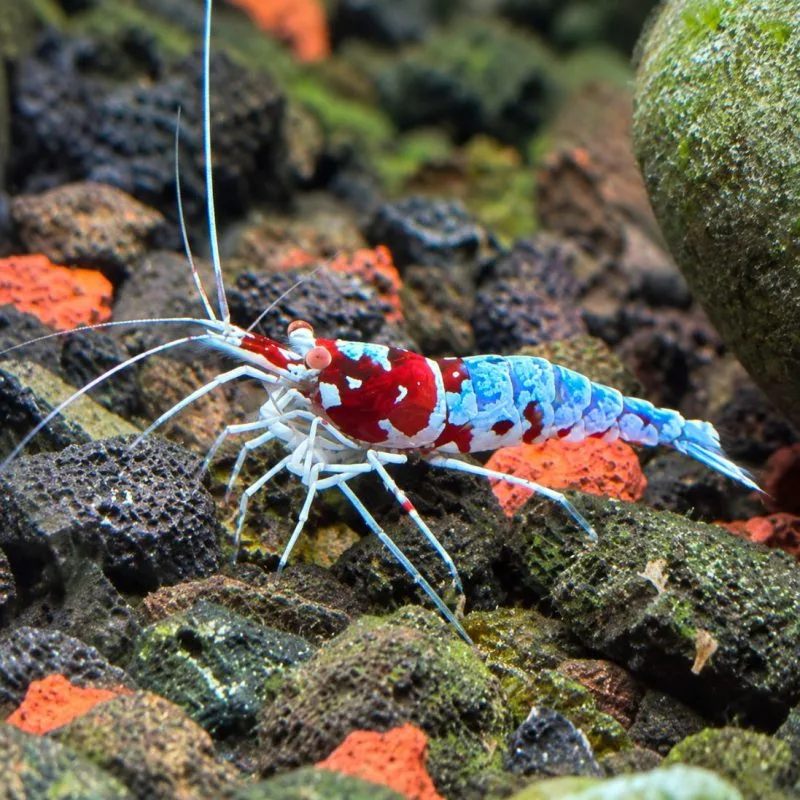
This line is bred for a semi-translucent yellow body that keeps the white saddle band and chalk-white front legs of the wild type, with orange to gold eyes in place of the usual dark ones. Color depth varies with age, lighting and the individual, and juveniles are paler than mature shrimp. Every shrimp we send is tank-bred by Shrimp Aquatics, not collected from the wild, and ships from our shrimp tanks in Vietnam.
At Shrimp Aquatics, most of our Sulawesi systems currently run at TDS 150 ppm, GH 6-7 dGH and pH 7.5. That is the water these shrimp are leaving, so the closer your tank sits to it, the smaller the change they absorb on arrival.
Does your water match the Orange Eyes Yellow Ghost range?
Only if it is warm, alkaline and steady.
| Difficulty | Advanced to expert |
|---|---|
| Temperature | 79-86°F (26-30°C) |
| pH | 7.5-8.5 |
| GH | 4-8 dGH |
| KH | 3-6 dKH |
| TDS | 150-250 ppm |
| Nitrate | Keep under 10 ppm |
| Substrate | Inert substrate and hardscape |
| Tank | Mature and stable, with established grazing surfaces |
| Behavior | Peaceful and often shy |
These are typical ranges for Sulawesi shrimp as a group. Holding steady inside them matters more than landing on any single number.
Test your water before you order
Measure pH, GH, KH and TDS yourself and watch them hold for about a week. If the readings sit outside the table, prepare and stabilize the water first. Correcting chemistry with the shrimp already in the tank changes their conditions twice over, and fast shifts are the main avoidable risk here.
Is your tank mature enough for a Sulawesi grazing line?
Most of what these shrimp eat is the biofilm, diatoms and soft algae already growing on rock and glass. A young tank cannot feed them properly even when every test reads correctly, so maturity is a separate question from chemistry.
- Ammonia and nitrite read 0 on an established biological filter.
- Rock and glass carry visible biofilm and a soft algae film rather than looking clean and new.
- Temperature holds inside 79-86°F (26-30°C) overnight and through the warmest part of the day.
- Substrate and hardscape are inert, so nothing is pulling the pH down.
- No copper-based fish medication, snail treatment or plant dip has been used in this tank.
Prepared food is a supplement here, not the main course. Offer a small amount of a fine powdered or biofilm-style shrimp food and remove whatever is left after a couple of hours. If they show little interest in it, that is not by itself a sign of underfeeding, provided the grazing surfaces are there.
What can share a tank with Orange Eyes Yellow Ghost shrimp?
A single-species tank is the straightforward answer, and what we suggest for a first Sulawesi colony. Bee and Crystal Caridina want cool, soft, acidic water and cannot share this system. Neocaridina are usually kept at 65-78°F (18-26°C), so the ranges barely meet, and they graze the same surfaces this line depends on.
Fish are a stocking decision rather than a safety label. Small peaceful species are generally lower risk with adult shrimp but are not safe around shrimplets, and any fish you consider has to be comfortable at the top of this temperature range. Sulawesi snails such as Tylomelania share the same warm alkaline water but work through biofilm quickly, so add them only if the tank has grazing surface to spare.
Every line we breed in this group needs the same water, so if you want more than one color in the tank, the rest of our tank-bred Sulawesi shrimp will fit the same system. Email contact@shrimpaquatics.com with your parameters and current livestock for a second opinion before combining lines.
What to do the day your shrimp arrive
Open the box in a dim, quiet room and look at the bags first. Follow the instructions packed with your order, because they are written for the packing method, transit time and species in that shipment. Shrimp Aquatics’ current shipment protocol is to equalize the temperature of the sealed transport bag against the tank, then move the shrimp across without adding any transport water to the aquarium.
Leave the light off for the rest of that day and do not feed. Expect them to stay tucked into the hardscape at first, since this group is often shy, and give them a few days before you judge how they are settling. If a bag arrives open, leaking, or at a temperature you are unsure about, email us before you transfer anything.

There are no reviews yet.