
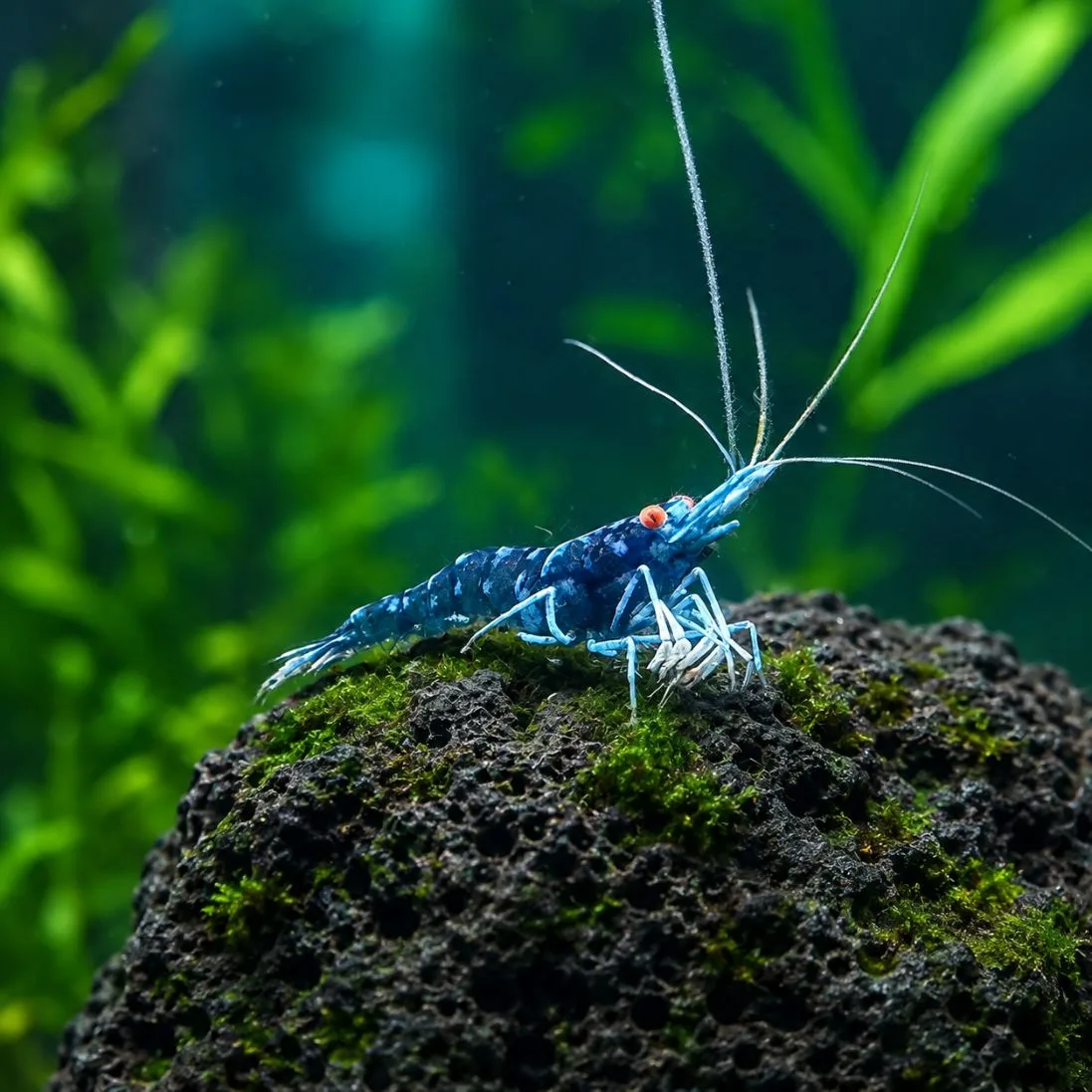
Sulawesi Orange Eyes Blue Ghost is a tank-bred warm water Caridina line for a mature, alkaline aquarium. Check your own tank against the targets below before you order.
What you get when you order Orange Eyes Blue Ghost shrimp
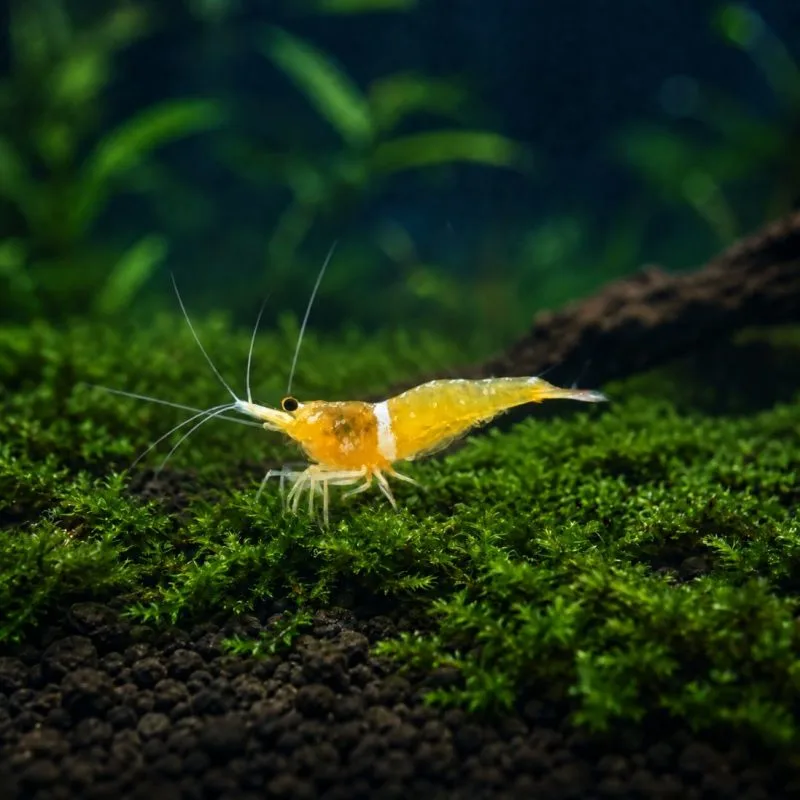
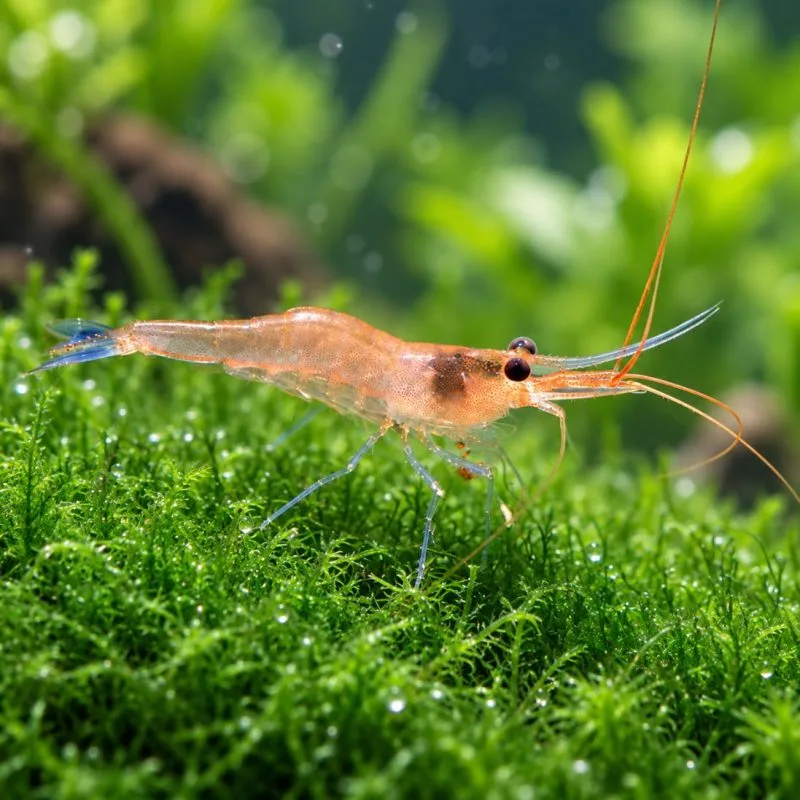
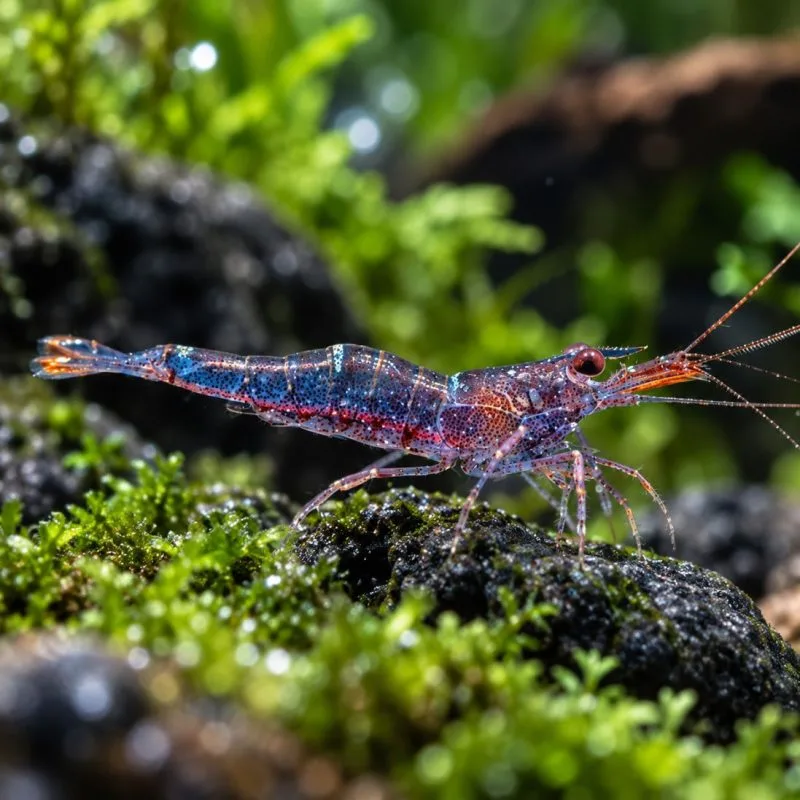
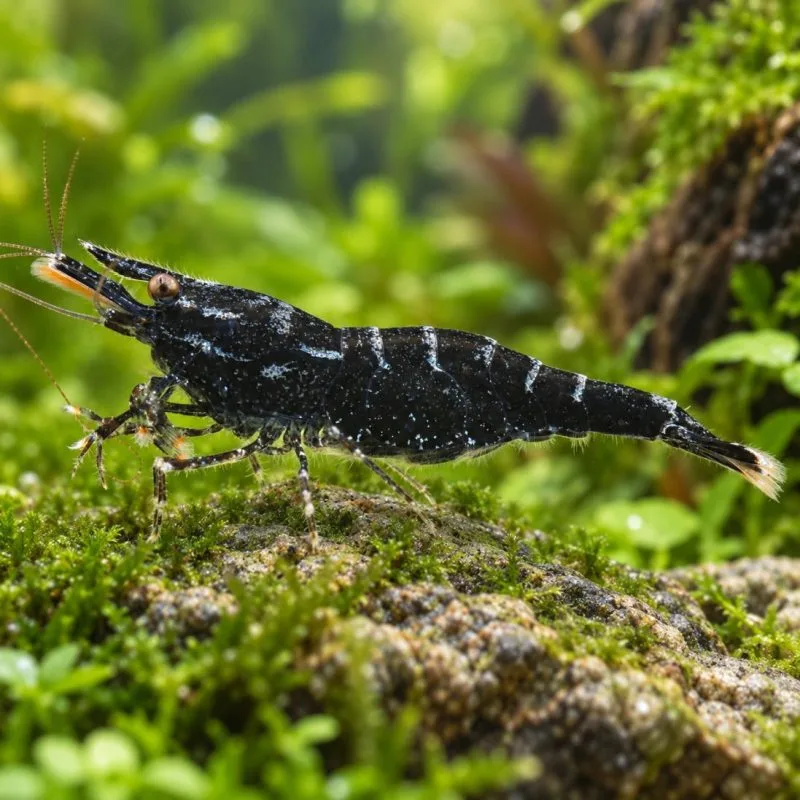
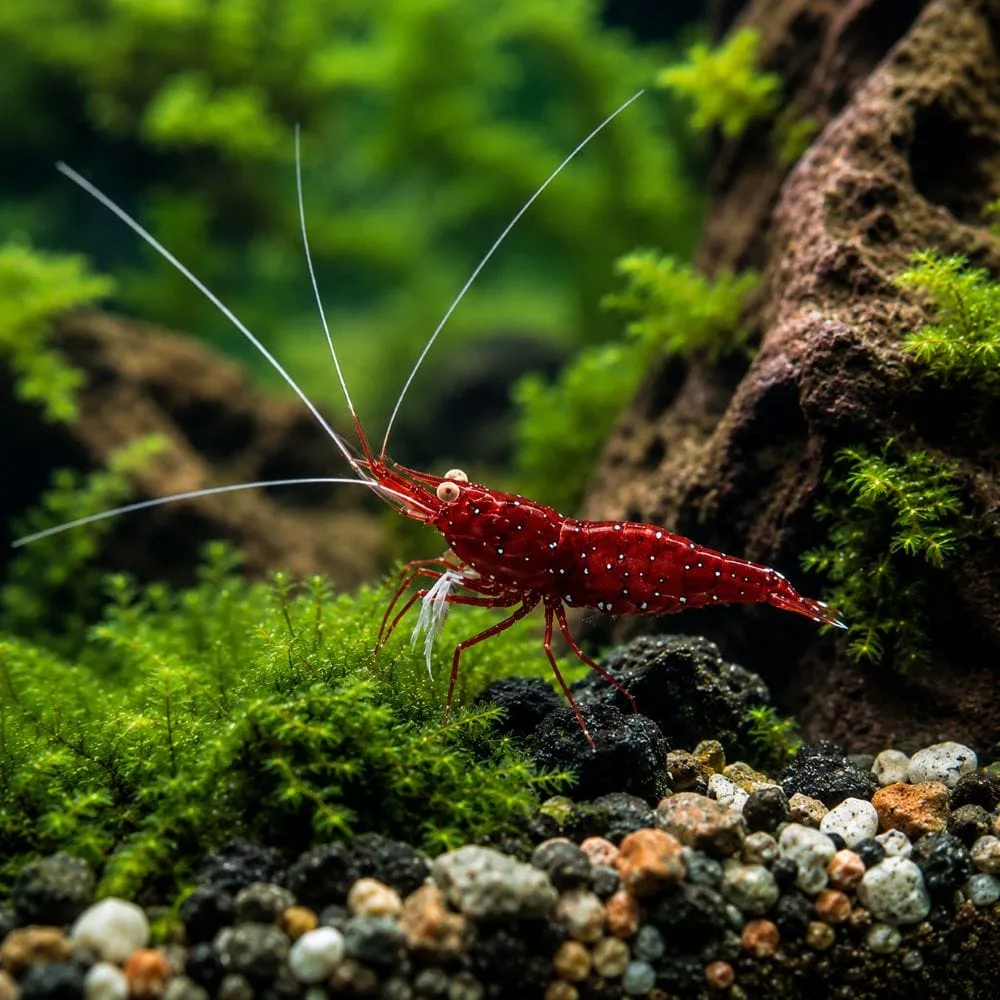
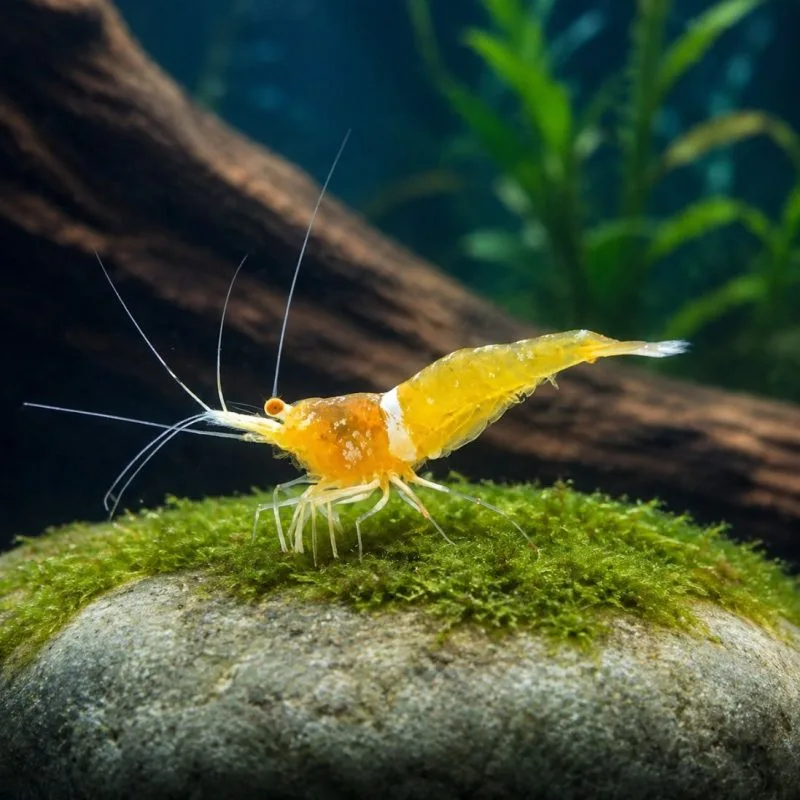
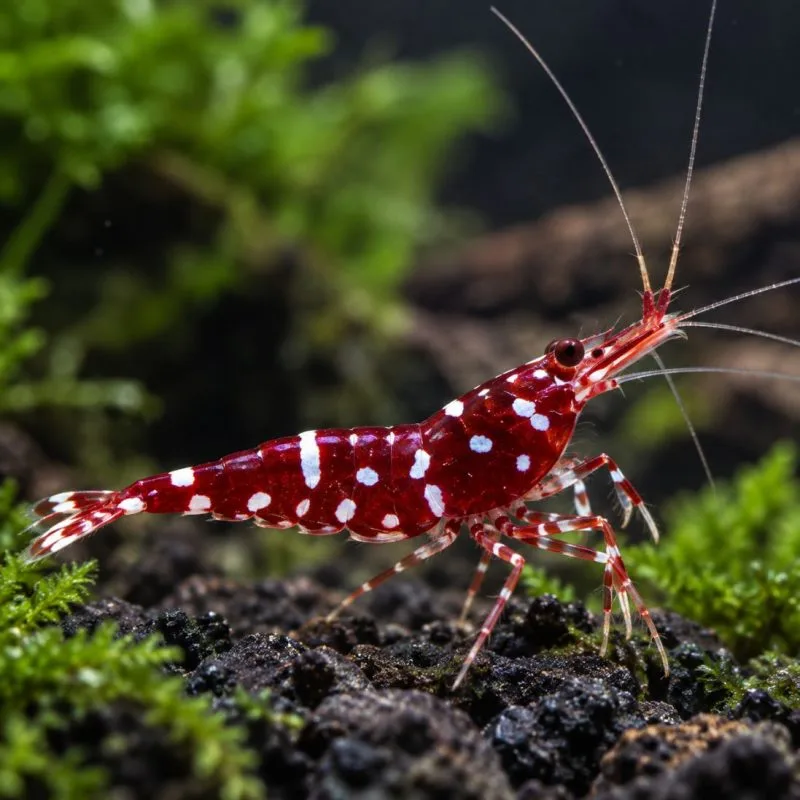
Orange Eyes Blue Ghost is a captive-bred color line of the cardinal shrimp, Caridina dennerli, a species native to Lake Matano in Sulawesi, Indonesia. It carries the blue body and chalk white front legs of the Blue Ghost, with orange eyes instead of the usual dark ones. Color depth varies from shrimp to shrimp, and lighting and background change how strongly the blue reads in your own tank.
Every shrimp in this listing is bred by Shrimp Aquatics, not collected from the wild.
Does your water match what an Orange Eyes Blue Ghost needs?
This line needs warm, alkaline, mineral stable water. It will not adapt to a Bee or Crystal setup, and it runs warmer than most Neocaridina tanks. Compare your last test results with the targets below first.
| Temperature | 79-86°F (26-30°C) |
|---|---|
| pH | 7.5-8.5 |
| GH | 4-8 dGH |
| KH | 3-6 dKH |
| TDS | 150-250 ppm |
| Nitrate | Under 10 ppm |
| Ammonia and nitrite | 0 on your own test |
At Shrimp Aquatics, most of our Sulawesi systems currently run at TDS 150 ppm, GH 6-7 dGH and pH 7.5. Aiming for the lower half of the ranges above rather than the top makes arrival day a smaller move for the shrimp.
Reaching those numbers usually means remineralized RO water rather than tap, and holding Sulawesi shrimp water parameters steady from week to week matters more than landing on an exact figure.
Test your own water before you order
Ammonia and nitrite both need to read zero on your own kit, and temperature, pH and TDS need to hold steady across a full week. A tank that is still cycling is the wrong place to start this line.
Is your tank mature enough for Sulawesi shrimp?
The numbers are only half of the decision. These shrimp graze almost constantly, so they need surfaces already carrying algae and biofilm, plus a filter that has held ammonia and nitrite at zero under a real bioload. A tank set up last month rarely has either.
- Ammonia and nitrite both read zero on your own test
- Temperature holds inside 79-86°F (26-30°C) day and night, with a heater sized for the room
- Inert substrate and hardscape, not an active soil that pulls pH down
- Visible algae and biofilm already growing on rock, glass or wood
- A test kit or meter you trust for pH, GH, KH and TDS
- A tank still clearing a bacterial bloom, or one you are still adjusting week to week
What can share a tank with Orange Eyes Blue Ghost shrimp
The easiest tankmates are other lines from our tank-bred Sulawesi shrimp range, because they want the same warm alkaline water and the same grazing surfaces. Sulawesi snails suit the same kind of tank, although each species has its own temperature and mineral needs worth checking before you add it.
Bee, Crystal and Taiwan Bee Caridina need the opposite kind of water and should not share this tank. A Neocaridina colony is not a good default either, because this range runs warmer than they are usually kept at and a breeding colony competes for the same biofilm. Fish are a judgment call rather than a safe default, since even peaceful species will take shrimplets. If you keep another ghost or white sock line, decide before you order whether they share a tank, because mixed offspring cannot be traced back to their parents.
How Orange Eyes Blue Ghost shrimp feed in a mature tank
Most of the food comes off the rock. Mature biofilm, algae and aufwuchs do the daily feeding, and prepared food is a supplement rather than the main course. Offer small amounts, watch whether the colony clears them, and take out what is left, because food sitting in warm water breaks down quickly and pushes nitrogen waste up. Interest varies by tank and by food, so a refusal is not by itself a sign of trouble, and extra feeding will not make up for a tank that is not yet mature.
What to do the day your shrimp arrive
Open the box as soon as it arrives and follow the instructions packed with your order, since packing method and transit time change the right approach. Shrimp Aquatics’ current shipment protocol is to equalize temperature and then move the shrimp across without adding the shipping water, which has been sealed in with them for the whole journey. Then leave them alone: lights off for the rest of the day, no feeding, and a water test the next morning rather than a cleanup.

There are no reviews yet.