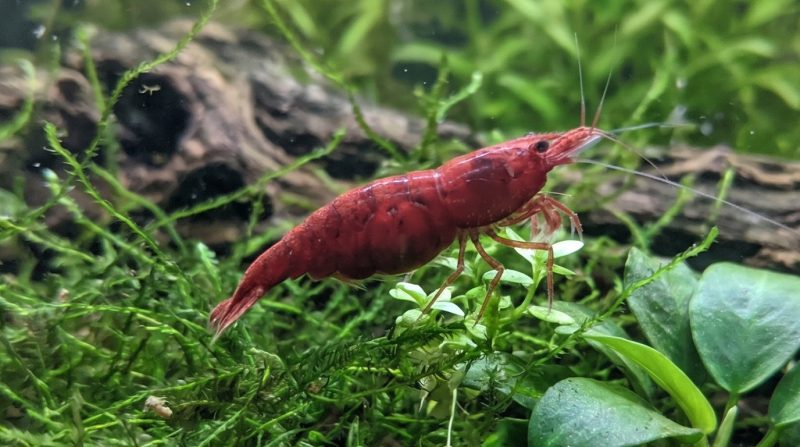
Neocaridina shrimp are small, peaceful freshwater shrimp that suit a first shrimp tank when the tank is cycled and stable. Keep a group in a mature, filtered tank of about 5 gal (19 L) or larger at 72-77°F (22-25°C), pH 6.8-7.6, GH 6-10 dGH and KH 2-5 dKH, with ammonia and nitrite at 0.
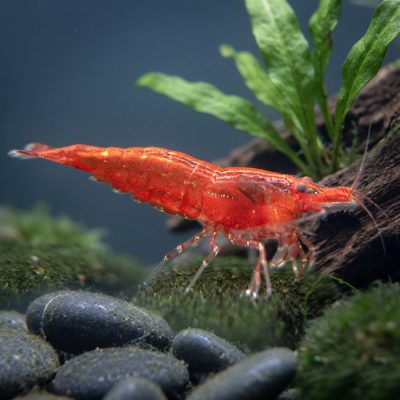
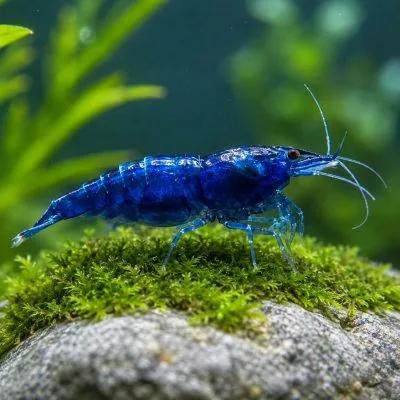
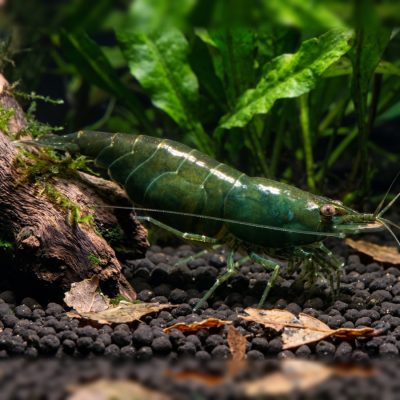
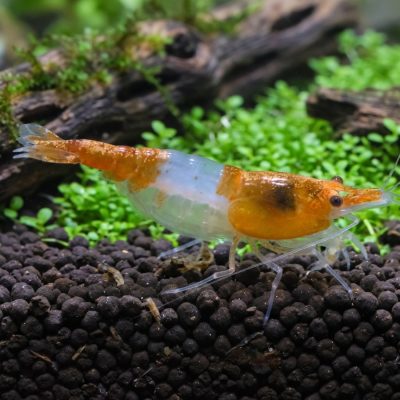
The shrimp sold as the cherry shrimp is Neocaridina davidi, native to parts of China, Vietnam, Taiwan and Korea.1 The same species has also been published as Neocaridina heteropoda and Neocaridina denticulata sinensis, so advice written under either name is about your shrimp.1 The red, blue, yellow, orange and green shrimp in the trade are color lines of that one species. The care below is the same whichever color you keep.
Are Neocaridina shrimp easy to take care of?
Neocaridina shrimp are often beginner-friendly, but only in a stable tank that suits them. The work comes early. You cycle the tank until ammonia and nitrite read 0, and after that the job is mostly steady water, small water changes and keeping copper out. Skip the cycling and no shrimp is easy.
If you’re choosing between Sulawesi shrimp vs cherry shrimp, cherry shrimp are the gentler start. Sulawesi shrimp are an advanced to expert animal that needs a warm, alkaline tank at 79-86°F (26-30°C).
Set up and cycle a Neocaridina shrimp tank before the shrimp arrive
Give Neocaridina shrimp a tank of about 5 gal (19 L) or larger, and cycle it before any shrimp goes in. Stability matters more than the exact size. Colonies have kept breeding for months to a year or more in tanks of 5-10 gal (19-38 L), and the typical one is about 5 gal.
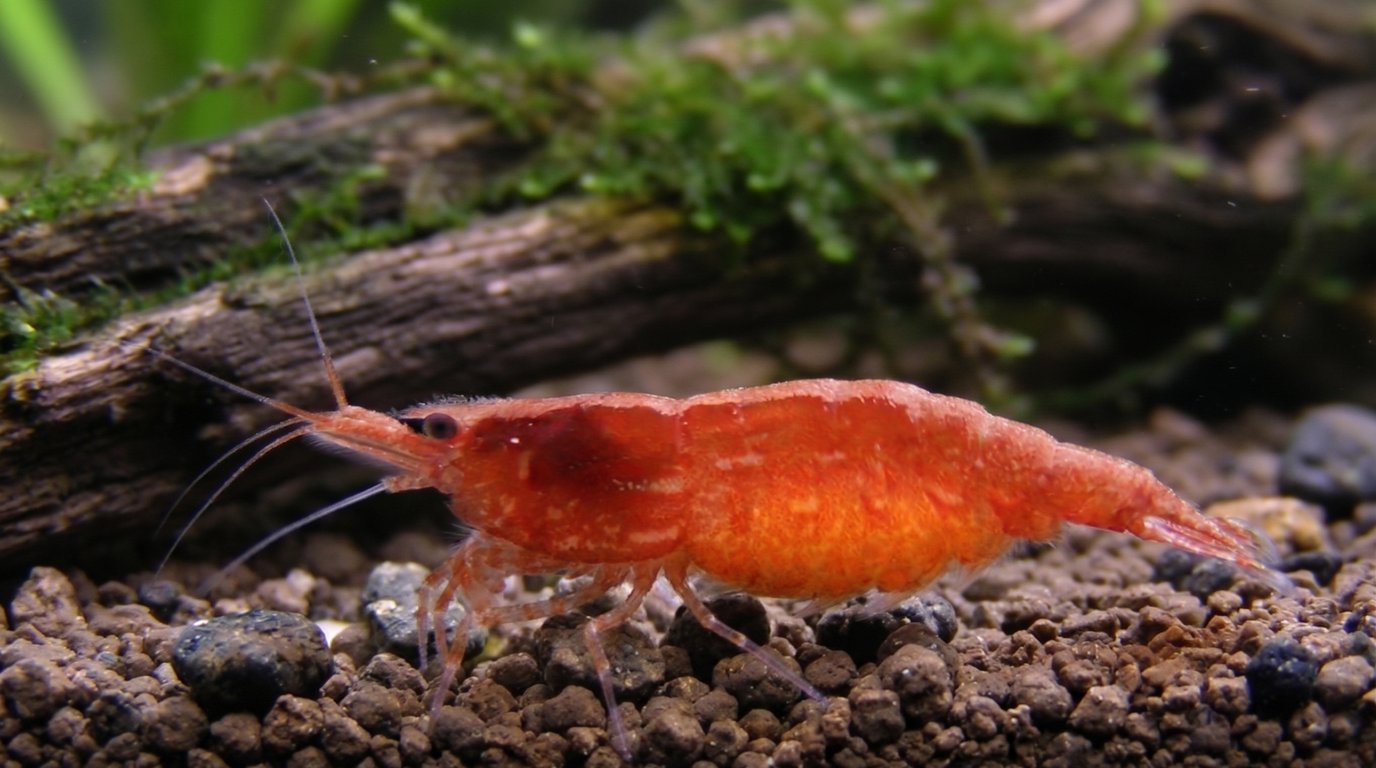
What does cycled mean? The filter bacteria are established, and your test kit reads ammonia 0 and nitrite 0. A date on the calendar doesn’t prove that. The test does. The full Neocaridina shrimp tank setup runs in a set order, and the cycle is the slow step between filling the tank and adding the shrimp.
Our advice is a sponge filter, which gives the tank plenty of oxygen without a strong current, and a substrate that keeps pH stable, or a soil made for planted tanks. If you’d rather run another kind of filter, fit a guard over the intake, because it can cut the number of shrimplets drawn in. Whatever you choose, the water numbers below stay the target.
Neocaridina go well with live plants and moss, so a planted tank works. Plants and moss also give the shrimp more surface to graze and somewhere to get out of sight. Rinse new plants before they go in. If you don’t know how they were grown, hold them in a separate container first, because plants can carry pesticides or treatments that harm shrimp.
What water parameters do Neocaridina shrimp need?
Aim for 72-77°F (22-25°C), pH 6.8-7.6, GH 6-10 dGH and KH 2-5 dKH in a Neocaridina tank, and hold ammonia and nitrite at 0. Each of these Neocaridina shrimp water parameters does its own job, from GH supplying the calcium for a new shell to KH keeping pH from swinging.
| Temperature | 72-77°F (22-25°C) |
|---|---|
| pH | 6.8-7.6 |
| GH | 6-10 dGH |
| KH | 2-5 dKH |
| Ammonia and nitrite | 0 |
| Tank size | About 5 gal (19 L) or larger |
Treat these numbers as a guide, not a pass-fail test. Neocaridina are easy shrimp, and a tank that sits a little outside one of them can still work, as long as it isn’t far off. That leeway is about where your water sits, not about water that swings, so make any change gradually. It never applies to ammonia or nitrite, which stay at 0.
Feral cherry shrimp in warm streams and ponds in Germany and Hungary were sampled in water of pH 6.9-8.6.2 Those are single-day readings from heated waters, so they show where the species turns up, and the table is still what you aim for.
Can you use tap water? Only if it tests inside the table, and only after it’s dechlorinated. Neocaridina are easy shrimp, but our advice is still RO water with minerals added back: tap water differs from one area to the next, and RO makes the numbers easier to control.
Our advice is a 10% water change every two weeks. Skipping one does no harm as long as the water values stay stable. Match the new water’s temperature and hardness to the tank before it goes in, so the water change isn’t the shock.
Do Neocaridina shrimp need a heater?
Neocaridina shrimp need a heater only when your tank can’t hold 72-77°F (22-25°C) without one. Go by a thermometer in the water, not by how the room feels: the Neocaridina shrimp temperature that counts is the one in the tank. They do take some warmth: in a 90-day laboratory study, cherry shrimp grew, matured and bred at 82°F (28°C).3 At 90°F (32°C) breeding failed in the same study, because every female that matured and carried eggs at that temperature lost them.3 If your tank creeps up in summer, bring it down slowly.
What do Neocaridina shrimp eat?
Neocaridina shrimp eat the biofilm and algae growing on the surfaces of the tank, plus a little prepared shrimp food. A USGS species profile calls the species an opportunistic omnivore that eats detritus, algae and very small animals.1 That’s why a mature tank goes on feeding your shrimp between meals. The grazing keeps soft films in check, though Neocaridina shrimp eat algae selectively and leave tough kinds such as black beard algae.
Prepared food tops up the grazing and doesn’t replace it. A safe default is to feed less than you think you need and to lift whatever the shrimp leave. Mulberry leaves, Indian almond leaves and root vegetables can go in as extras. How often comes down to the tank: most keepers feed somewhere between once a week and once a day, and a portion gone within a few hours is a fair test of how much Neocaridina shrimp eat.
How many Neocaridina shrimp should you start with?
Start with a group of 6 to 30 Neocaridina shrimp; about 10 is the typical start. Groups that size have bred and grown into lasting colonies of roughly 30 to several hundred shrimp. So when you choose from our tank-bred Neocaridina shrimp, order a group and not a pair.
How many can the tank hold? A shrimp tank isn’t stocked by a count of cherry shrimp per gallon. The group you start with grows by breeding, so the number you end up with comes from the colony, not from your order.
A laboratory trial gives a feel for crowding. Over 90 days, juveniles held at 2.5, 5 and 10 shrimp per liter all survived at 87-93%, and the shrimp at the lowest density grew heavier.4 That was a short trial on juveniles with a full water change every week, so it’s no stocking rule for a home tank. In that trial, crowding cost growth, not survival.
How do Neocaridina shrimp breed in a home tank?
Neocaridina shrimp breeding happens in the same tank the shrimp live in. A female carries her eggs until they hatch as miniature shrimp, and there’s no free-swimming larval stage to raise.1
How long does a berried female carry? About 21 days at 75°F (24°C) and about 15 days at 82°F (28°C) in one laboratory study, where about 24 young hatched per female.3 A USGS species profile gives 16-19 days without naming a temperature, and puts a clutch at up to 60 eggs.1
In our tanks, females carry their eggs for about three weeks before they hatch. We leave the young in the tank with the adults; there’s no need to move them out. That’s a tank without fish. Add fish and it changes, because fish may eat shrimplets. Beyond keeping fish out, caring for baby cherry shrimp mostly means steady water and a filter intake they can’t be pulled into.
Young shrimp don’t take long to join in. In the laboratory, the first females carried eggs from about day 50 after hatching.3
Why each Neocaridina color line gets its own tank
Keep one Neocaridina color line per tank if you want the color to last. The lines breed with each other, and the crossbred young can come out brown or wild-type, the plain look of the wild shrimp. Every line is the same species bred for a different color. Red cherry, Blue Dream, Blue Velvet, yellow, orange, Green Jade and Rili are some of the types of Neocaridina shrimp.
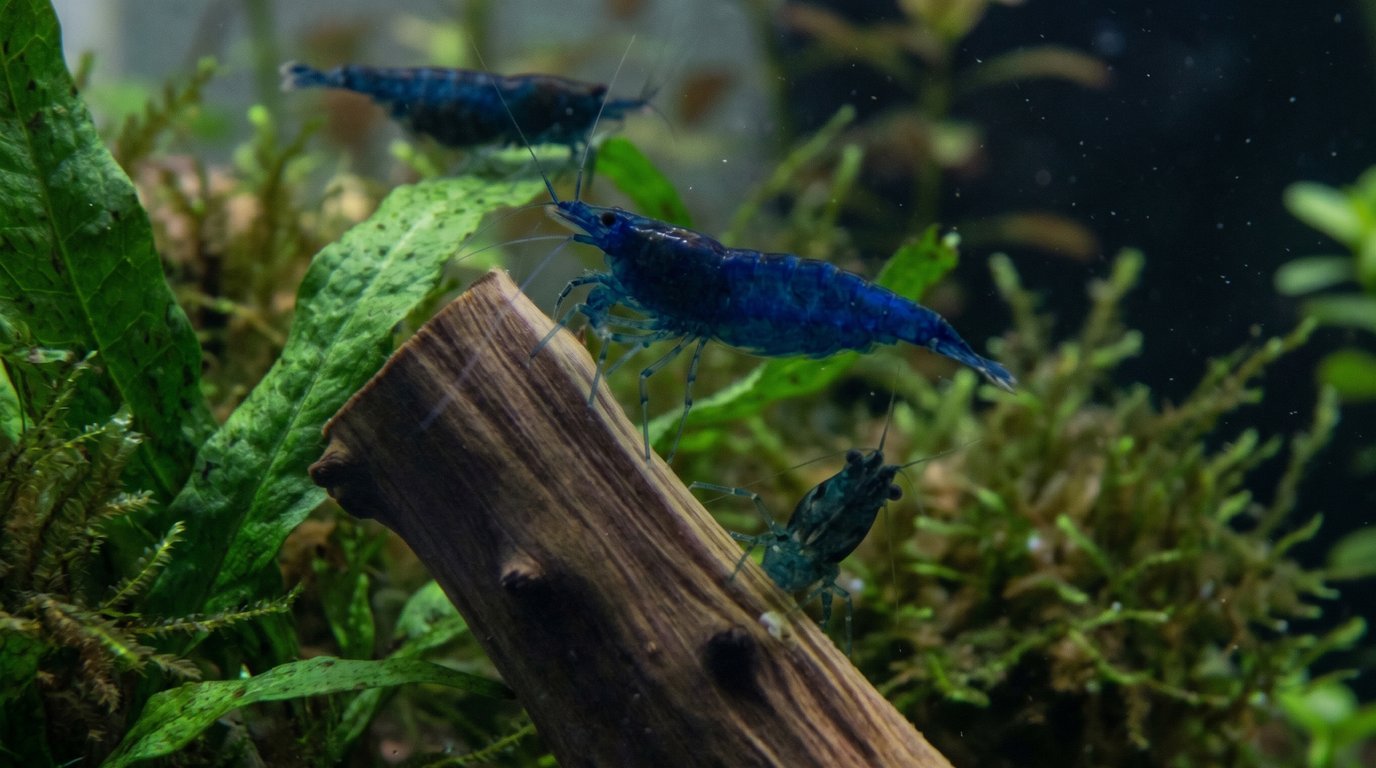
At Shrimp Aquatics, we keep each Neocaridina color line in its own tank. When lines share a tank, the young that come from crosses lose their color and turn clear.
Want a mixed “skittles tank” anyway? Nothing stops you, and it’ll look great on day one. Just treat it as a display, because you can’t count on the young to match either parent. Keepers who try mixing Neocaridina shrimp colors mostly end up with brown or wild-type babies and the odd bright one, not purple from red and blue.
What to expect as Neocaridina shrimp molt, grow and age
Expect a Neocaridina shrimp to shed its shell again and again, to reach 40 mm (about 1.6 in) at most and to live a short life.
How often do Neocaridina shrimp molt?
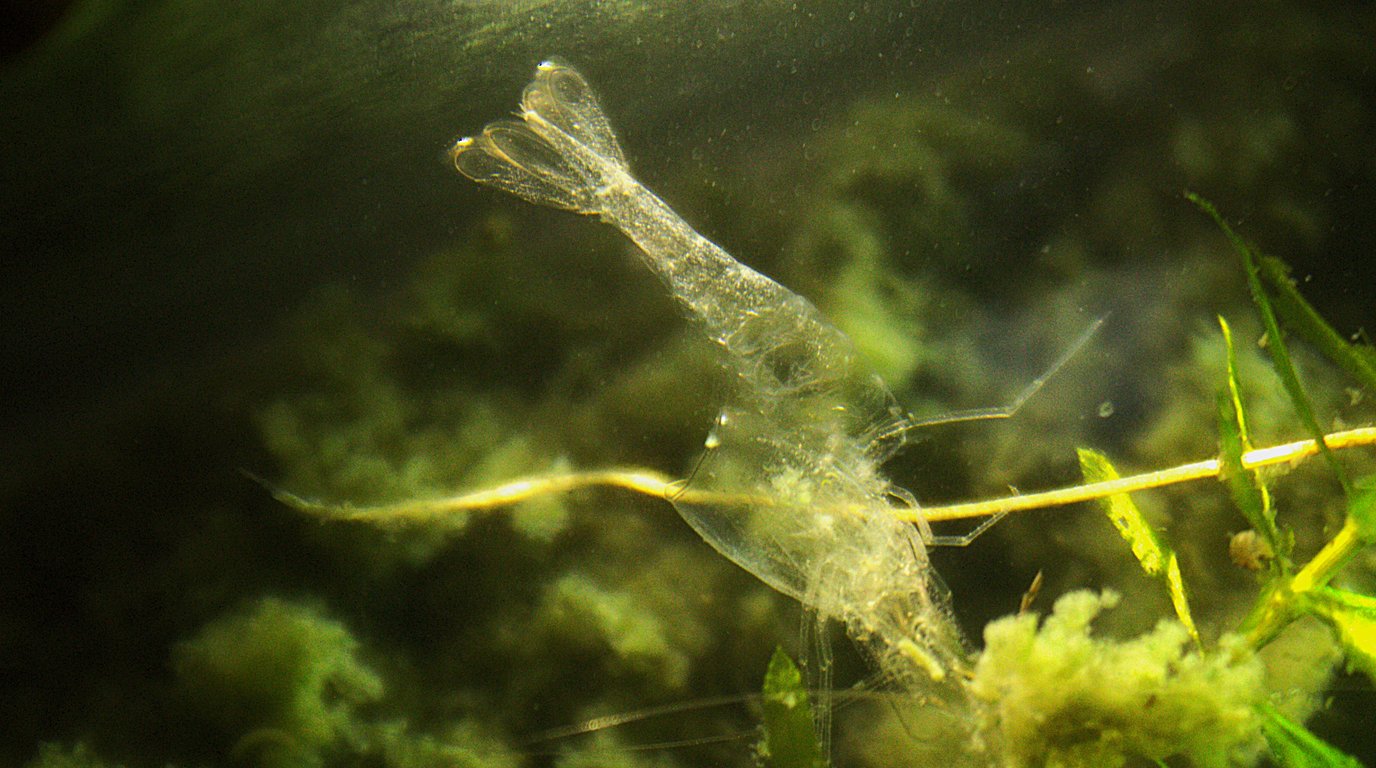
Neocaridina shrimp molt about every 10 days, going by adult males kept at 73°F (23°C) in a laboratory culture.5 That figure covers adult males only and comes from a conference abstract, so use it as a feel for the rhythm. Every cherry shrimp molt leaves an empty shell behind. Before you count a shrimp as dead, check that what you’re looking at isn’t hollow.
How big do Neocaridina shrimp get?
Neocaridina shrimp can reach up to 40 mm (about 1.6 in) in body length.1 That’s the top of the range, so don’t expect every adult to get there. Females are the larger sex: they outgrew males in a 90-day laboratory trial,4 and wild females measured larger than males in a European survey.2 Most adults in a home tank end up nearer an inch, and how big Neocaridina shrimp get also depends on their sex and how crowded the tank is.
How long do Neocaridina shrimp live?
Neocaridina shrimp are short-lived. A wild population studied in a river in Japan was judged to live about 10-15 months.6 In our tanks Neocaridina live about 1-2 years. That river has seasons and a tank doesn’t, so treat both figures as a rough guide rather than a promise for your tank. A colony outlasts its shrimp by breeding, which is one more reason to start with a group. Breeding, warmth and a shrimp’s age when you buy it all come into Neocaridina shrimp lifespan, though none of them stretches it much.
Which tank mates can live with Neocaridina shrimp?
Choose tank mates for Neocaridina shrimp on the assumption that fish eat shrimplets. Even fish sold as shrimp-safe may eat the young, and sometimes adults, so a shrimp-only tank is the simple way to grow a colony. Beyond fish, it comes down to whose water the tank is run for.
- Small tetras and rasboras are often peaceful with adult shrimp, but many eat shrimplets. Bettas, cichlids and larger fish are a real predation risk.
- Sulawesi shrimp are kept at 79-86°F (26-30°C) and pH 7.5-8.5, warmer and more alkaline than the range above. So keeping Sulawesi shrimp with Neocaridina means a few cherry shrimp living in Sulawesi water, never a tank set halfway between the two.
- Rabbit snails need that same warm, alkaline water. Keeping rabbit snails with Neocaridina shrimp follows the same rule: the tank stays at the snails’ temperature and the shrimp stay a small group.
- Vampire crabs go after shrimp but catch few, and cherry shrimp usually keep breeding in the water section of a crab paludarium. A few shrimp in a small or newly planted water section can all be lost. Plan around that before you decide whether vampire crabs can live with shrimp in your setup.
If breeding cherry shrimp is the goal, give them a tank of their own at the numbers above. A warm Sulawesi tank is somewhere a few of them live, not where you grow the colony.
What to check first when Neocaridina shrimp start dying
When Neocaridina shrimp start dying, check ammonia and nitrite first, then recent changes to the water, then temperature, then copper, and age last. Work down the list in that order, because the first checks are the quickest to make.
- Ammonia and nitrite: both should read 0. In a 96-hour test on juvenile cherry shrimp, the concentration that killed half of them was 0.69 mg/L for nitrite and 0.48 mg/L for un-ionized ammonia.7 Those figures come from a doctoral thesis and a four-day test. They’re lethal levels, never safe limits, so any reading above 0 is a problem to fix.
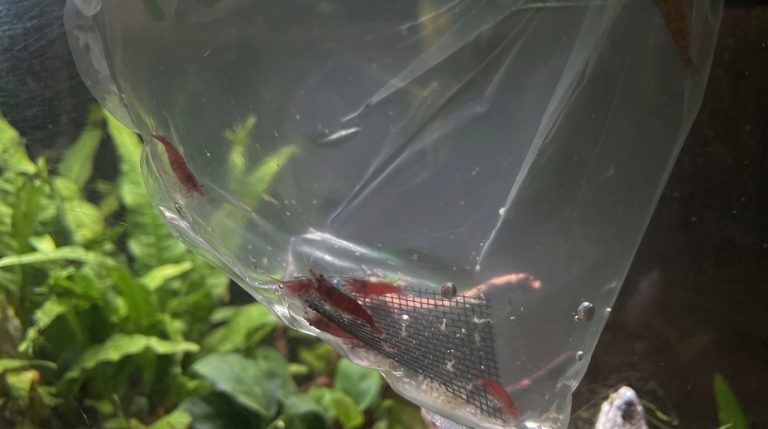
- A recent change: think back over the last few days. A big water change, new water that didn’t match the tank, a new plant or a new product can each be the trigger. A fast shift in temperature, pH or hardness is a stress by itself. The same goes for new arrivals, which is why you acclimate Neocaridina shrimp to the tank temperature before they go in and keep the bag water out.
- Temperature: read the thermometer against 72-77°F (22-25°C), and check for a heater that’s stuck on or has stopped working.
- Copper: elevated copper is toxic to aquatic life, invertebrates included,8 and some fish medications can harm shrimp. Read the ingredients of everything that has gone into the tank.
- Age: if every check above comes back clean and you lose an adult now and then, old age is a plausible cause in a shrimp this short-lived.
Still losing shrimp after all five? Email contact@shrimpaquatics.com with your pH, GH, KH, temperature, tank size, cycle status and what else lives in the tank. We’ll help you work through it.
Never release Neocaridina shrimp or tank water outdoors
Never put Neocaridina shrimp, or the water they’ve lived in, into a pond, stream or storm drain. Aquarium release is the usual way this species reaches the wild, and it’s established on Oahu in Hawaii.1 In Europe it lives wild in thermally heated waters in several countries, while cold winters usually hold it back elsewhere.2 If your colony outgrows the tank, pass the extra shrimp to another keeper or a local shop.
Cherry shrimp care questions keepers also ask
Can I keep just one cherry shrimp?
We’d start with a group. One cherry shrimp needs the same cycled, stable tank as ten do, and a single shrimp can’t breed, so the tank never becomes a colony.
How many Neocaridina shrimp can you have in a 20 gallon tank?
You don’t stock a 20 gal (76 L) tank to a set number. Start with a group of 6 to 30, about 10 being typical, and let the colony grow by breeding. Groups started that way have reached roughly 30 to several hundred shrimp.
How long does it take for cherry shrimp to be full grown?
Cherry shrimp reach breeding age within about three months of hatching. In a laboratory study, juveniles matured and mated within 90 days, and the first females carried eggs from about day 50.3 That’s maturity, which is the milestone the study tracked.
References
8 Sources
- Neocaridina davidi (Bouvier, 1904), cherry shrimp, Nonindigenous Aquatic Species fact sheet, U.S. Geological Survey, revised February 11, 2026.
- Prati and colleagues, Invisible invaders: range expansion of feral Neocaridina davidi offers new opportunities for generalist intracellular parasites, Biological Invasions, 2024.
- Tropea, Stumpf and López Greco, Effect of Temperature on Biochemical Composition, Growth and Reproduction of the Ornamental Red Cherry Shrimp Neocaridina heteropoda heteropoda (Decapoda, Caridea), PLOS ONE 10(3): e0119468, 2015.
- Vazquez, Delevati-Colpo, Sganga and López-Greco, Density and gender segregation effects in the culture of the caridean ornamental red cherry shrimp Neocaridina davidi Bouvier, 1904 (Caridea: Atyidae), Journal of Crustacean Biology 37(4): 367-373, 2017 (repository copy, Universidad Nacional de La Plata).
- Kelleher and Mykles, Characterization of the molt cycle of the cherry shrimp, Neocaridina davidi (meeting abstract), Society for Integrative and Comparative Biology.
- Mitsugi and Suzuki, Life history of an invasive freshwater shrimp Neocaridina davidi (Bouvier, 1904), (Decapoda: Caridea: Atyidae) in the Tomoe River, the Boso Peninsula, eastern Japan (abstract), Crustacean Research 47: 9-16, 2018.
- Melo, Efeito de compostos nitrogenados no camarão Neocaridina davidi e na rã Aquarana catesbeiana (doctoral thesis, in Portuguese), Universidade Federal de Minas Gerais, 2023.
- Supplementary Training Materials for Aquatic Life Criteria, Copper, Background, U.S. Environmental Protection Agency, updated May 6, 2026.
Ready to get started?
Shop our Neocaridina Shrimp collection
15 products available · Live Arrival Guarantee